Random Political Joke - Politicians say, “We’re all in this together,” which is true, as long as “this” is a burning building and they have the only exit map.
United States
President Donald Trump

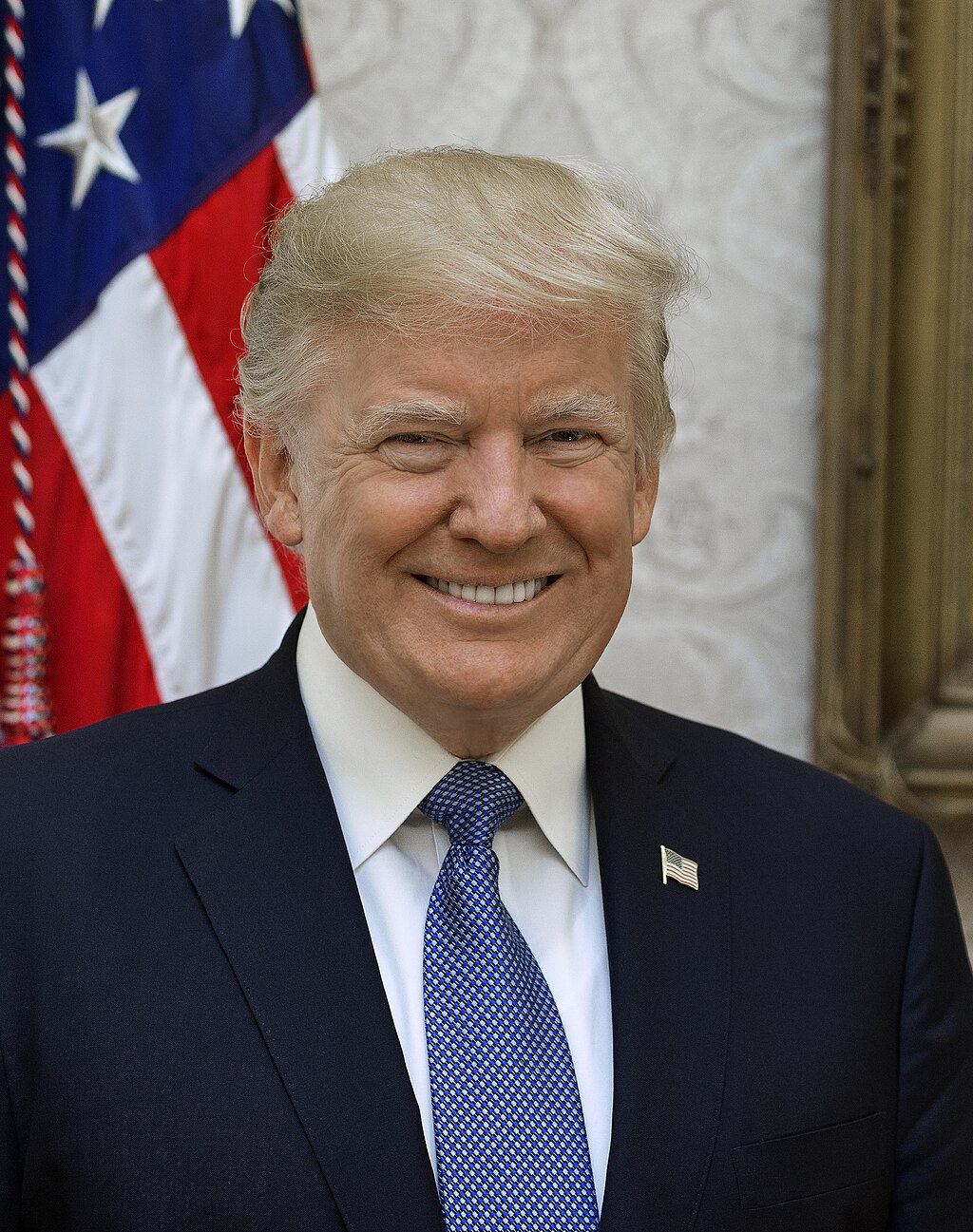
Impeachment Estimate
Updated: 2026-01-06
Model Risk: 45%
Public Impeachment Search Heat: 100%
Regime Risk: 33% ? Regime Risk is completely separate from the impeachment estimate and is not used to calculate it. Regime Risk is an assessment of the overall stability of the current government regime, based on factors such as political unrest, economic instability, and social tensions. A high Regime Risk indicates a greater likelihood of significant political upheaval, which could lead to changes in leadership through means other than formal impeachment processes.
30-Day Impeachment Trend
30-Day Regime Risk Trend
Latest News
Stephen Miller Asserts U.S. Has Right to Take Greenland - The New York Times
Greenland should be part of the United States, says a senior Trump adviser - The Economist
Live updates: Trump warns Venezuela to cooperate or risk new U.S. military attack - NBC News
Latin America fears what comes next after the Venezuela raid - The Economist
Quick Summary of United States & Donald Trump
The United States has experienced significant political turbulence involving former President Donald Trump, particularly regarding impeachment proceedings. Trump faced two impeachments during his presidency, both of which were historic and contentious. The first, in December 2019, centered on allegations that he abused his power by pressuring Ukraine to investigate political rival Joe Biden and obstructed Congress by withholding documents and blocking testimony. The Senate acquitted him in February 2020, with most Republicans voting against conviction. The second impeachment occurred in January 2021, following the Capitol riot on January 6, where Trump was accused of inciting an insurrection against the U.S. government. Though the House voted to impeach, the Senate again acquitted him after he had already left office, with only seven Republicans joining Democrats in supporting conviction. Beyond impeachment, Trump has remained a polarizing figure in U.S. politics, with ongoing legal and political challenges shaping his post-presidency. Multiple investigations, including those related to his business dealings, election interference, and handling of classified documents, have kept him in the spotlight. In 2023, Trump became the first former U.S. president to face criminal charges, with indictments in New York, Florida, Georgia, and Washington, D.C., covering a range of alleged offenses. These developments have intensified debates over accountability, the rule of law, and the future of American democracy, as Trump continues to wield significant influence within the Republican Party and remains a leading candidate for the 2024 presidential election.Deep Dive Into United States & Donald Trump
Impeachment Color Legend
RED >= 50%ORANGE >= 34%
YELLOW >= 18%
GREEN < 18%