International relations and geopolitical confrontation
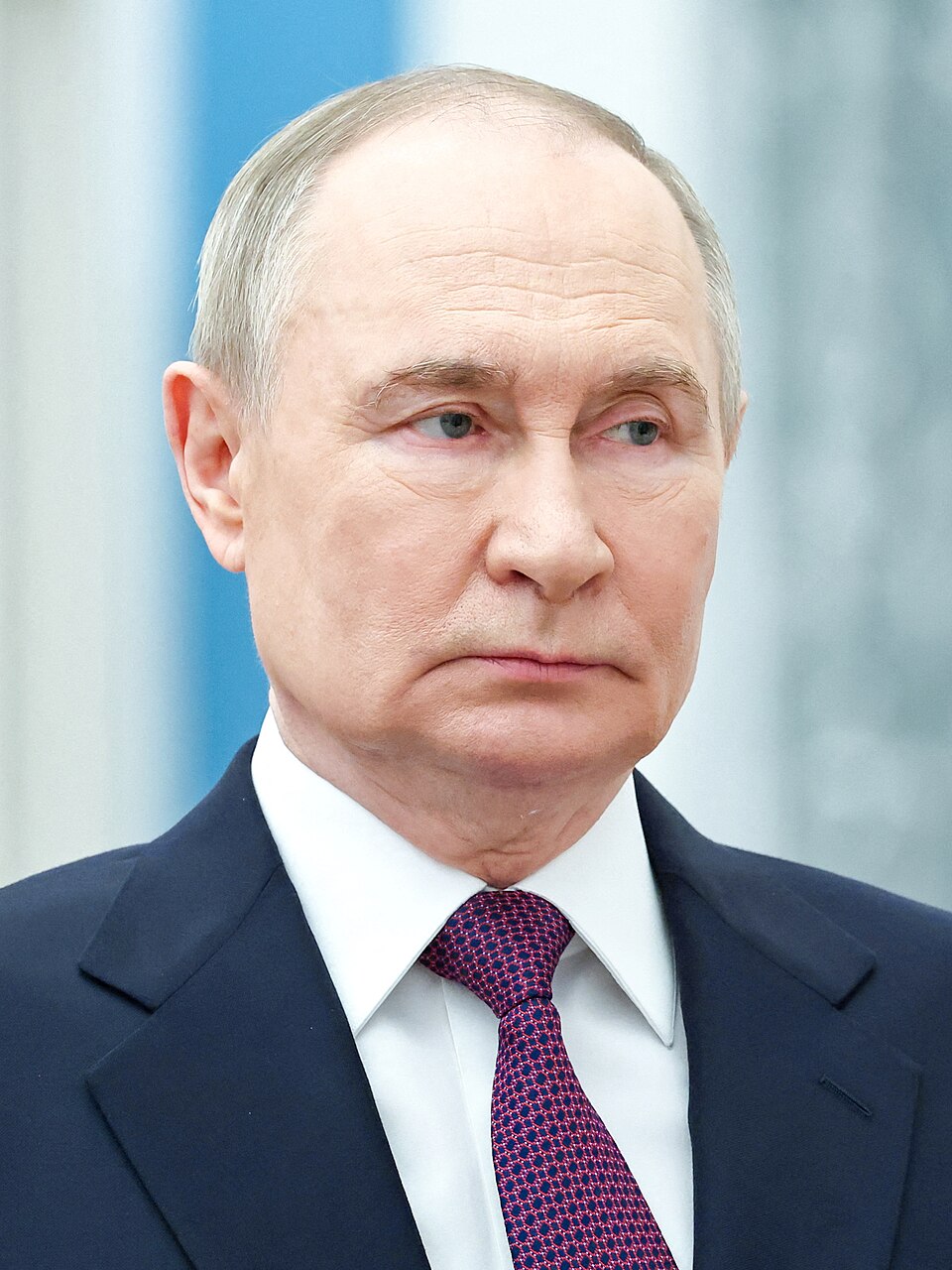
Russia’s international environment is characterized by pronounced confrontation with Western states, particularly since the annexation of Crimea in 2014 and dramatically intensified by the 2022 full-scale invasion of Ukraine. Sanctions, diplomatic isolation in many Western-led forums, and the militarization of borders—especially with NATO members—reflect a high-tension international context. At the same time, Russia has deepened ties with non-Western partners such as China, Iran, and several states in the Global South, emphasizing narratives of multipolarity and resistance to Western hegemony. Putin plays a central symbolic and practical role in this sphere: his leadership style, foreign policy choices, and public rhetoric strongly shape Russia’s external posture and self-presentation as a great power under siege. The geopolitical confrontation is sustained, multi-dimensional (military, economic, information), and unlikely to be quickly reversible, justifying a high intensity rating short of outright systemic war between major powers.
Media environment and information control
The media environment is marked by extensive state influence and restrictions on critical coverage, particularly regarding the war in Ukraine, security issues, and high politics. Major television channels and many print outlets are controlled or closely aligned with the state, and legal instruments—such as laws against ‘discrediting’ the armed forces or spreading ‘fake news’—have been used to prosecute or silence dissenting voices. Numerous independent media organizations have been blocked, labelled as ‘foreign agents’ or ‘undesirable’, or have relocated abroad. Digital platforms and VPNs provide alternative information channels for segments of the population, especially younger and more urban users, but these are subject to technical blocking attempts and legal pressure. Putin’s leadership is central to this environment: he is the dominant figure in political coverage, and the media narrative consistently frames his decisions as central to national security and identity. The combination of pervasive narrative management and punitive enforcement mechanisms corresponds to high-intensity information control and tension around free expression, even in the absence of constant mass protests.
Political polarization and elite cohesion
At the mass level, overt polarization is relatively contained, in part because of restricted electoral competition, limited space for opposition, and a media environment that privileges pro-government narratives. Survey data and election results (while methodologically contested) suggest a substantial core of support or acquiescence for Vladimir Putin, alongside smaller but persistent segments of liberal, nationalist, and anti-war opposition. Within the elite, however, there is a managed pluralism of security, technocratic, and economic factions whose competition is ultimately mediated by Putin’s personal authority. Polarization is more latent than openly expressed, as institutional and coercive mechanisms dampen visible confrontation, but the concentration of political authority around Putin and the narrowing of formal channels for dissent generate underlying tensions that could sharpen if succession or economic conditions deteriorate.
Social stability and regime resilience
Despite the war, sanctions, and occasional internal shocks, everyday social order and basic state functions have largely been maintained. Public services continue to operate, and for many citizens outside frontline or border regions, daily life remains structured by continuity rather than disruption. Economic adaptation to sanctions, partial reorientation of trade, and increased state spending have cushioned some immediate shocks, even as longer-term structural risks accumulate. The political system remains centered on Putin as arbiter among elites and guarantor of stability, with limited institutionalized mechanisms for leadership transition. This personalization of power, combined with wartime conditions and demographic pressures, creates vulnerabilities over the medium to long term, but the current situation is better characterized by controlled stability under authoritarian conditions than by imminent breakdown.
Social tensions and repression of dissent
Social tensions are not manifested in continuous mass unrest, but they are significant and periodically acute. The full-scale invasion of Ukraine in 2022 intensified moral, generational, and regional divides over war, mobilization, and national identity. Episodes such as the 2022 partial mobilization and regional protests over local issues (e.g., environmental grievances, economic decisions, or ethnic concerns) illustrate the capacity for rapid localized escalation. At the same time, the state has expanded legal and coercive instruments targeting protesters, independent organizations, and perceived ‘foreign agents’, leading to arrests, organizational closures, and exile of activists and journalists. This combination of episodic protest, widespread self-censorship, and legal repression indicates significant social tension that is contained by coercive and administrative means rather than resolved through pluralist bargaining.
Trust in institutions and personalization of authority
Survey research over many years has typically shown higher trust in the presidency and security structures than in courts, parliaments, or local authorities. Putin’s role as a personalized focal point of loyalty is central: trust often adheres more to the leader than to impersonal institutions. This personalization is reinforced by state media narratives depicting him as the decisive actor in crises and foreign policy. At the same time, there is widespread skepticism toward lower-level officials, corruption concerns, and doubts about the fairness of elections and courts, particularly among urban and younger cohorts. The gap between trust in the leadership and distrust of many formal institutions signals a systemic tension: governance relies heavily on the perceived legitimacy and capacity of a single individual rather than on robust institutional legitimacy, raising uncertainty about future succession and long-term institutional consolidation.