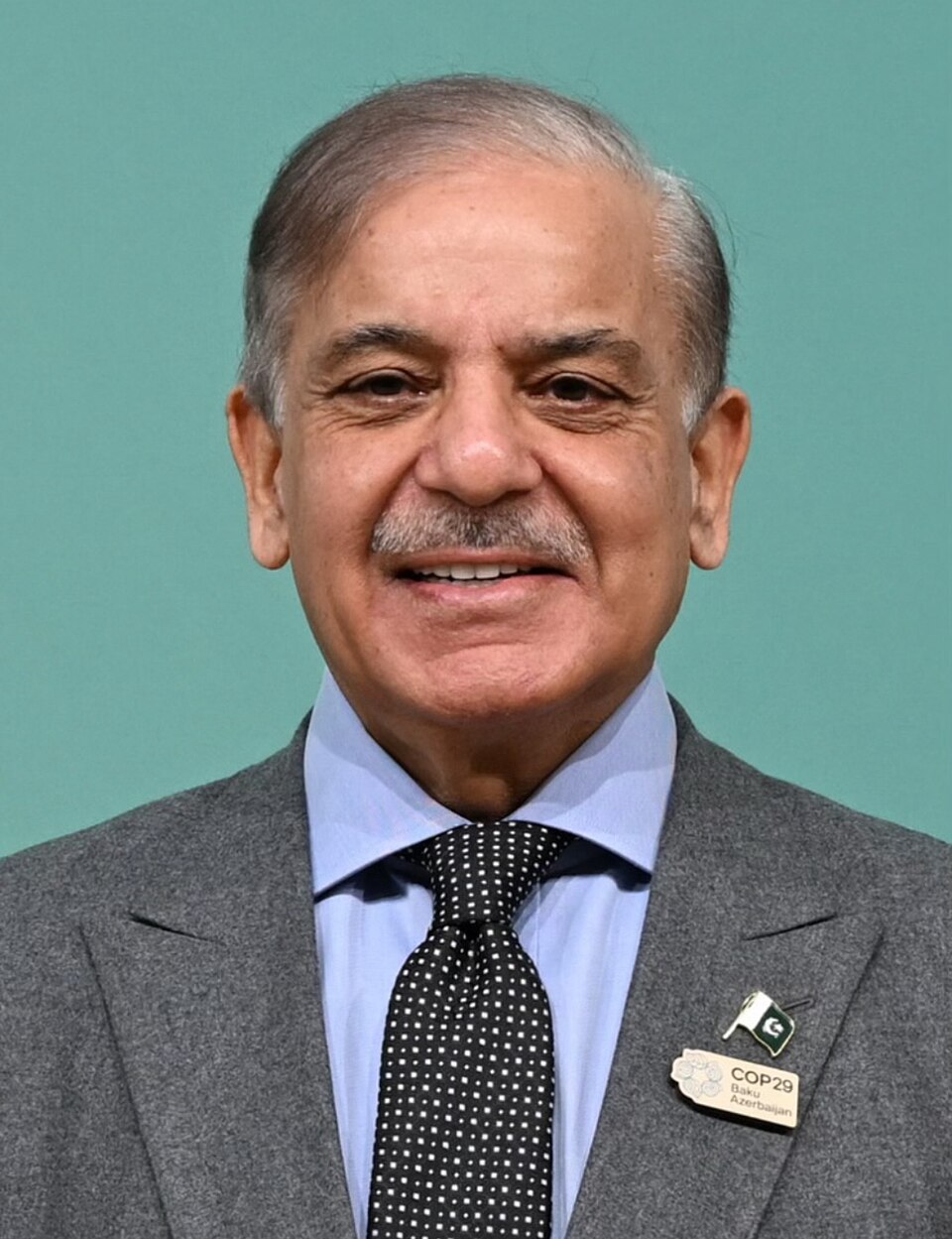
Governance, economic strain, and social stability
Economic pressures—high inflation, energy costs, debt obligations, and IMF-linked reforms—have made governance under Shehbaz Sharif politically costly and socially sensitive. His image as a hands-on administrator and ‘development-oriented’ chief executive (rooted in his tenure as Punjab chief minister) underpins a governing narrative focused on efficiency, infrastructure, and crisis management. In practice, austerity and subsidy rationalization have fueled public dissatisfaction, labor protests, and a sense of declining living standards, even as widespread, sustained riots have been limited. Core state functions continue to operate, and there has not been a systemic breakdown in law and order across the country, though some regions face persistent security challenges. The state’s capacity to maintain day-to-day stability remains intact, but it relies heavily on security measures and short-term economic firefighting rather than structural reform, placing Pakistan in a zone of significant but not yet system-breaking social and economic strain.
Institutional trust and civil–military balance
Trust in political institutions is fragile, with recurrent perceptions that electoral processes and civilian governments are shaped or constrained by the military and associated agencies. Shehbaz Sharif’s return to the premiership, backed by a coalition including PML-N and PPP, is frequently interpreted by critics as reflecting an accommodation with the military establishment, particularly in contrast to Imran Khan’s earlier confrontation with it. This has reinforced a narrative among large segments of the population that civilian leaders are ‘brought in’ or ‘sent home’ by non-elected actors, weakening public confidence in parliament, elections, and the rule of law. Simultaneously, the use of security laws, trials, and restrictions against opposition figures and supporters—framed by the government as necessary for stability—deepens perceptions of selective accountability and instrumentalized justice. While basic state institutions continue to function, the combination of contested electoral legitimacy and entrenched civil–military imbalance places institutional trust at a crisis-adjacent level rather than in a normal democratic range.
International relations and external alignment
Tensions in Pakistan’s external relations are present but generally below crisis level. Under Shehbaz Sharif, Islamabad has prioritized stabilizing ties with key partners—seeking predictable relations with China (especially around CPEC), cautious engagement with the United States, and efforts to secure financial support from Gulf states and multilateral institutions. Relations with India remain cold, with limited dialogue and occasional rhetorical escalation, but without large-scale conventional conflict. The situation in Afghanistan, cross-border militancy, and refugee issues continue to pose security and diplomatic challenges. Shehbaz’s government tends to frame foreign policy in pragmatic, economic-stability terms, aiming to reassure international creditors and investors. While regional security risks are non-trivial, the current period is characterized more by structural unease and strategic vulnerability than by open external crisis, warranting a modest but noticeable tension rating.
Media environment and information contestation
Pakistan’s media environment is pluralistic in form but constrained in practice. Under Shehbaz Sharif, national and provincial authorities, often in conjunction with regulatory bodies and informal pressures, have been accused by journalists, civil society organizations, and international watchdogs of limiting critical coverage, particularly of security agencies and of the treatment of PTI. Traditional broadcast and print media operate in a climate of self-censorship, while social media remains a crucial but contested arena, periodically subject to content restrictions, internet throttling, or platform disruptions around sensitive political events. At the same time, partisan media ecosystems amplify polarizing narratives, contributing to mistrust and rumor circulation. Shehbaz and his government present such measures as regulatory or security necessities, and some outlets operate with relative freedom on less sensitive issues. Overall, tension in the information sphere is high but not fully repressive: there is contention, pressure, and risk, yet not a complete collapse of independent reporting.
Political polarization and elite contestation
Pakistan’s party system is experiencing acute polarization, with Shehbaz Sharif positioned as a central figure in an anti-PTI governing coalition and widely perceived—especially by Imran Khan’s supporters—as benefiting from establishment support after the 2022 no-confidence vote and the controversial 2024 elections. The rivalry between PML-N and PTI has become increasingly zero-sum, with mutual delegitimization narratives (e.g., accusations of ‘selection’ rather than election on one side and charges of populist irresponsibility on the other). Shehbaz Sharif’s reputation as a more technocratic and conciliatory administrator than his brother has not, so far, translated into systemic depolarization; rather, he governs in a context where one major party’s leadership is incarcerated or constrained and its supporters frequently contest the legitimacy of the political order. While there is no nationwide civil war, the polarization is severe by comparative standards and shapes parliamentary dynamics, street politics, and public discourse.
Social tensions and cohesion
Social tensions in Pakistan are significant but uneven. Ethnic, sectarian, and regional cleavages—Punjabi–periphery grievances, Baloch and Pashtun discontent, Sunni–Shia sectarian issues, and religiously framed vigilantism—remain important fault lines. Under Shehbaz Sharif’s premiership, economic austerity, rising inflation, and IMF-driven reforms have intensified class and livelihood anxieties, contributing to a sense of strain among lower- and middle-income groups. However, these tensions have not coalesced into a single, nationwide social conflagration; instead, they manifest in localized protests, episodic violence, and persistent feelings of marginalization in some provinces and communities. The federal government’s focus—under Shehbaz—on infrastructure, administrative performance, and fiscal stabilization seeks to project order and competence, but does not directly address long-standing structural grievances, leaving the overall level of tension high but below outright breakdown.